Heritage
The Bude area oozes with history and heritage and we are fortunate to have an abundance of places to visit for history buffs and museum fans. One day you can be imagining yourself as lord or lady of the manor at a Stately Home and the next day step into the past at Poundstock Gildhouse. Don’t forget to visit Bude Castle for an insight into the history of Bude – it is accessible for wheelchairs, free entry and has a coffee shop with one of the best views in Bude!
Bodmin Keep (Temporarily Closed)
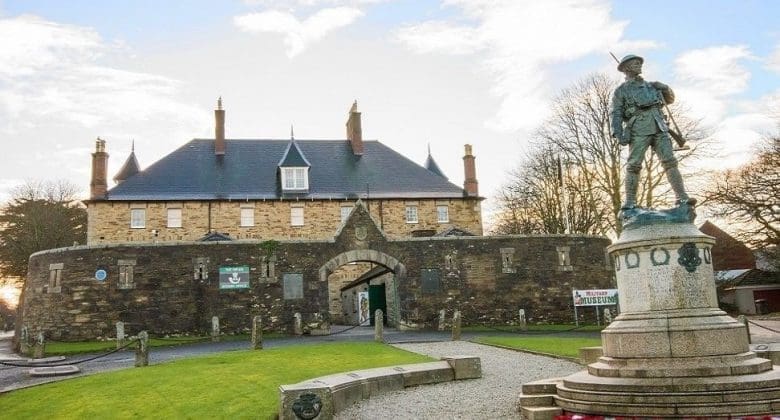
Bodmin Keep (Temporarily Closed)
Bodmin’s iconic Keep stands as a testament to Cornwall’s military history, boasting over 160 years of heritage as the former regimental headquarters. Today, it has transformed into a captivating museum, chronicling 300 years of military presence in Cornwall.
Step inside to discover a treasure trove of artifacts, from badges and weapons to regimental colours, each offering a glimpse into the storied past of Cornwall’s military legacy. Delve into the lives of ordinary soldiers who lived through extraordinary times, as their stories unfold through immersive exhibits and displays.
A visit to Bodmin Keep is an opportunity to explore the rich tapestry of Cornwall’s military heritage, offering insight into the bravery, sacrifice, and resilience of those who served.
The museum boasts an extensive collection of over 12,000 items, the majority of which are proudly showcased for visitors to explore. Each artifact weaves a compelling narrative of battle and honours the courage and sacrifice of individual soldiers.
Among the treasures are numerous works of art that vividly depict tales of conflict, complemented by a remarkable display of over 80 uniforms spanning from Napoleonic times to the modern era. Visitors can also marvel at hundreds of medals bestowed upon brave individuals for their wartime heroism throughout history.
In addition to these remarkable artifacts, the collection includes a diverse array of sculptures, decorative art, and other fascinating memorabilia, offering a comprehensive journey through Cornwall’s military heritage. Immerse yourself in the stories of valour and resilience encapsulated within our museum’s unparalleled collection.
Dogs
Bodmin Keep welcomes furry friends to the museum as they are a dog-friendly attraction. Well-behaved dogs on a lead are warmly invited to accompany their owners during their visit. However, please note that entry for dogs is subject to discretion, particularly during busy periods. To ensure a smooth and enjoyable experience for both human and canine visitors, it’s recommend booking ahead.
Accessibility
The museum is spread across two floors, each accessed via a flight of stairs, unfortunately, wheelchair access is not available at this time. However, Bodmin Keep strive to ensure that all visitors can enjoy our exhibits comfortably. They provide seating in every gallery and stalls to stand on, allowing everyone to view items displayed in cabinets raised off the ground. The aim is to make your visit as inclusive and enjoyable as possible.
Docton Mill Gardens and Tea Rooms
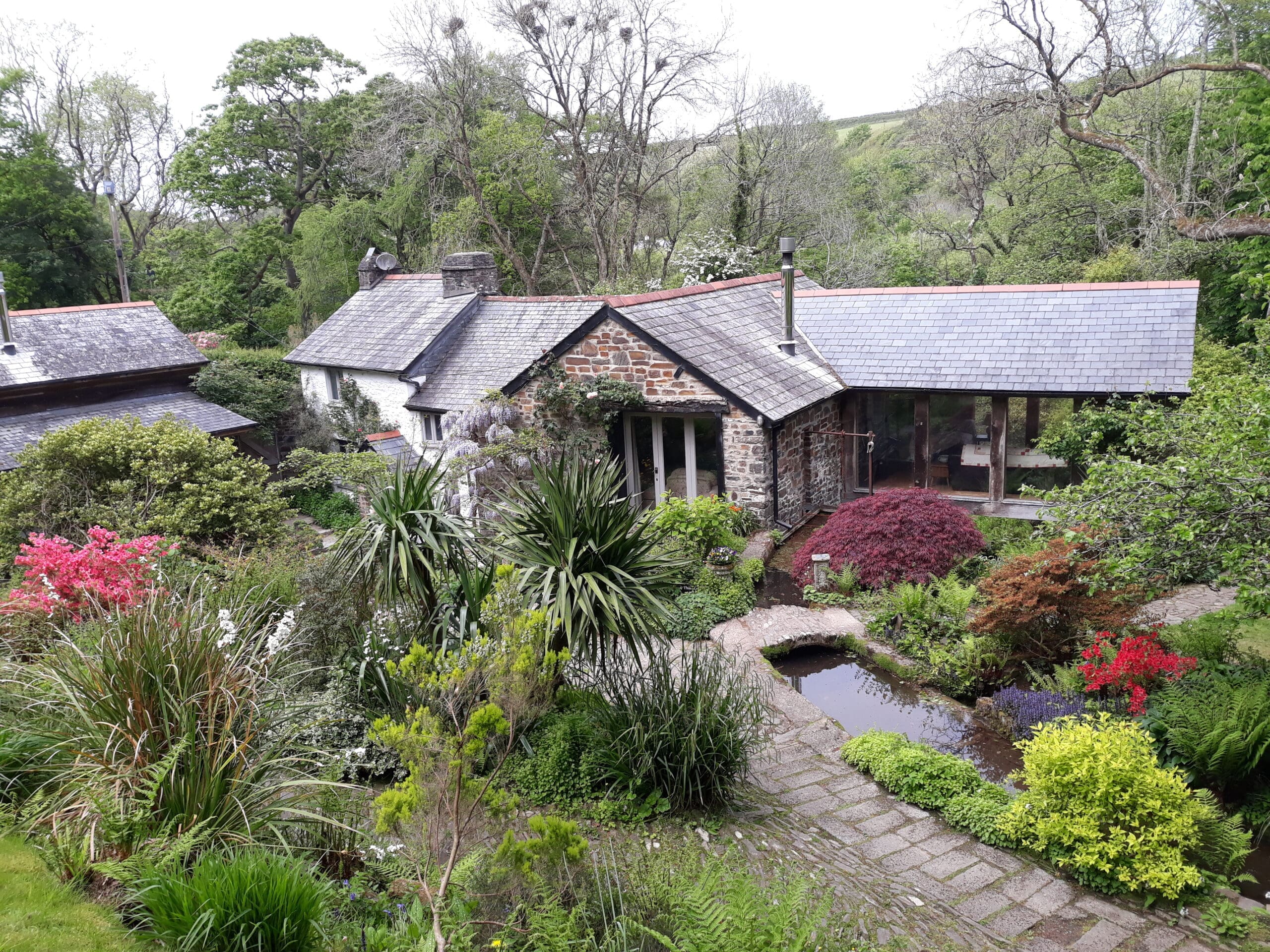
Docton Mill Gardens and Tea Rooms
Welcome to Docton Mill Tea Rooms & Gardens, a hidden gem in the heart of Hartland, North Devon.
Discover the captivating story of Docton Mill Wild Flower Gardens, nestled in a stunning valley just 1000m from the coast. Originating in the 1930s, the garden faced a period of neglect in the 1970s. The resurgence in 1980 brought about the renovation of the Mill, extensive planting, and the creation of a new Bog Garden and borders, accompanied by the planting of numerous trees. The new millennium ushered in further developments, including the Magnolia Garden, expansive Herbaceous borders, Woodland Garden, and a Greenhouse area for extensive plant propagation.
Our Wild Flower Gardens follow a theme of natural simplicity. In spring, witness displays of narcissi, primulas, camellias, rhododendrons, and azaleas, all framed by the enchanting presence of bluebells. Summer brings a profusion of roses, including a rose bank of Felicia and Pax, alongside the Herbaceous border. Explore a field boasting 25 varieties of magnolia, ensuring a garden that captivates throughout the seasons.
Garden Entry:
- Adults: £6.50
- Children (U18): Free (Under 2.3m in height)
Awards and Accolades:
- Voted Best Tea Room in North Devon (North Devon Food & Drink Awards)
- Gold Medal Winner at Devon County Show
- Voted Best Cream Tea in Devon (North Devon Food & Drink Awards)
Garden Features:
- Spectacular narcissi display in spring
- Enchanting river walk with naturalised narcissi, bluebells, and wild garlic
- Superb bog garden, celebrated in Rosemary Verey’s “Good Planting”
- Extensive 140m herbaceous border
- Wildflower gardens
Tea Room Delights:
- Award-winning tea room serving light lunches with specialty salads
- Locally sourced ingredients
- No entry charge to use the Tea Room
- Last teas served at 4:30 pm
Pet-Friendly Atmosphere:
- Dogs allowed on short leads
Additional Offerings:
- Plant sales area
- RHS Partnership Garden every Saturday throughout the season
Disabled Facilities:
- Due to the topographical layout, the garden is not suitable for wheelchairs or those with serious walking disabilities. For further details, please call 01237 441369.